
Most saxophone players never learn to memorise the chord changes. They pour years into tone, speed and licks, then get lost halfway through a blues because they don’t actually know where they are in the tune. It’s the most overlooked skill in jazz — and it’s the one that quietly separates players who sound professional from players who sound like they’re guessing.
This course fixes that with a single, surprisingly simple tool: a blank clock face. A 12-bar blues has twelve bars; a clock has twelve hours — so you’ll learn to map the changes around the face until the entire form lives in your head, no chart required. Once it clicks on the blues, we take the same method into other standards, tune by tune, until reading off the page becomes a choice rather than a crutch.
Knowing the changes cold changes everything about how you play:
- More coherent solos — you shape lines through the harmony instead of running patterns and hoping they land.
- Better time and form — you always know exactly where you are, so you stop dropping bars and fumbling turnarounds.
- A more professional sound — nothing marks an amateur faster than getting lost, and nothing marks a pro faster than total command of the form.
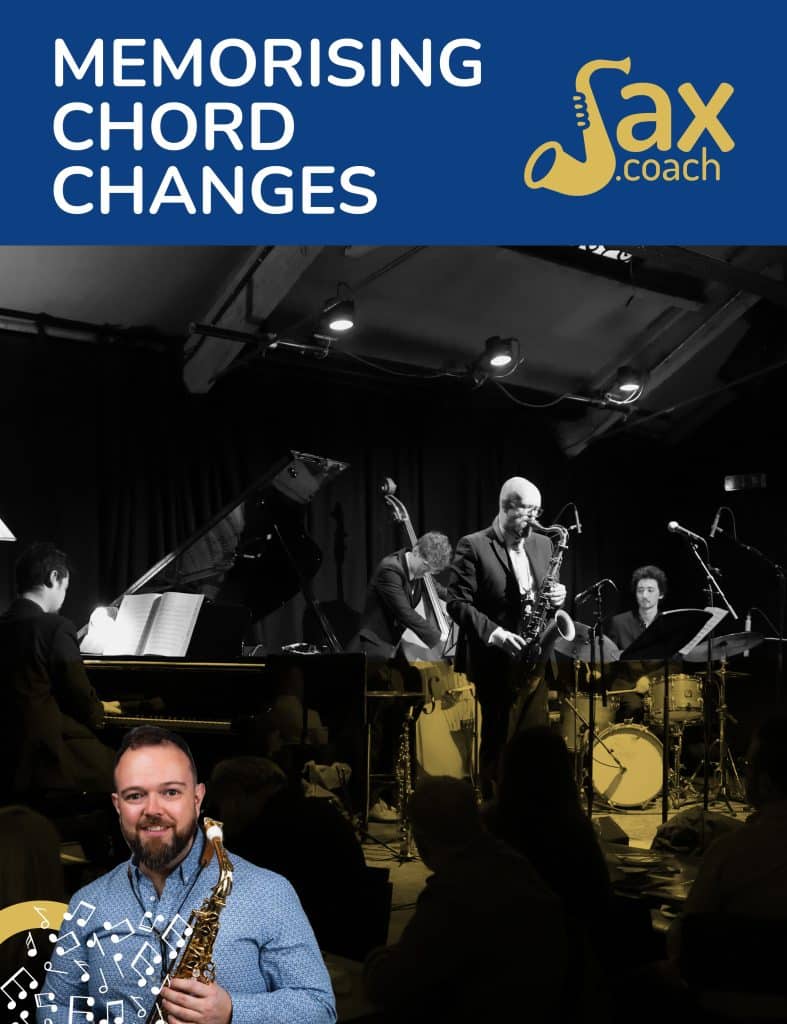
Taught by Dan Forshaw — University of Cambridge first-study tutor, two-time UK Music Teacher of the Year, and a student of Branford Marsalis and Ravi Coltrane. Whether you’re returning to the horn or an intermediate player ready to perform with real confidence, this is the skill that ties your whole playing together.
Memorise the changes. Put the chart down. Sound like you mean it.
